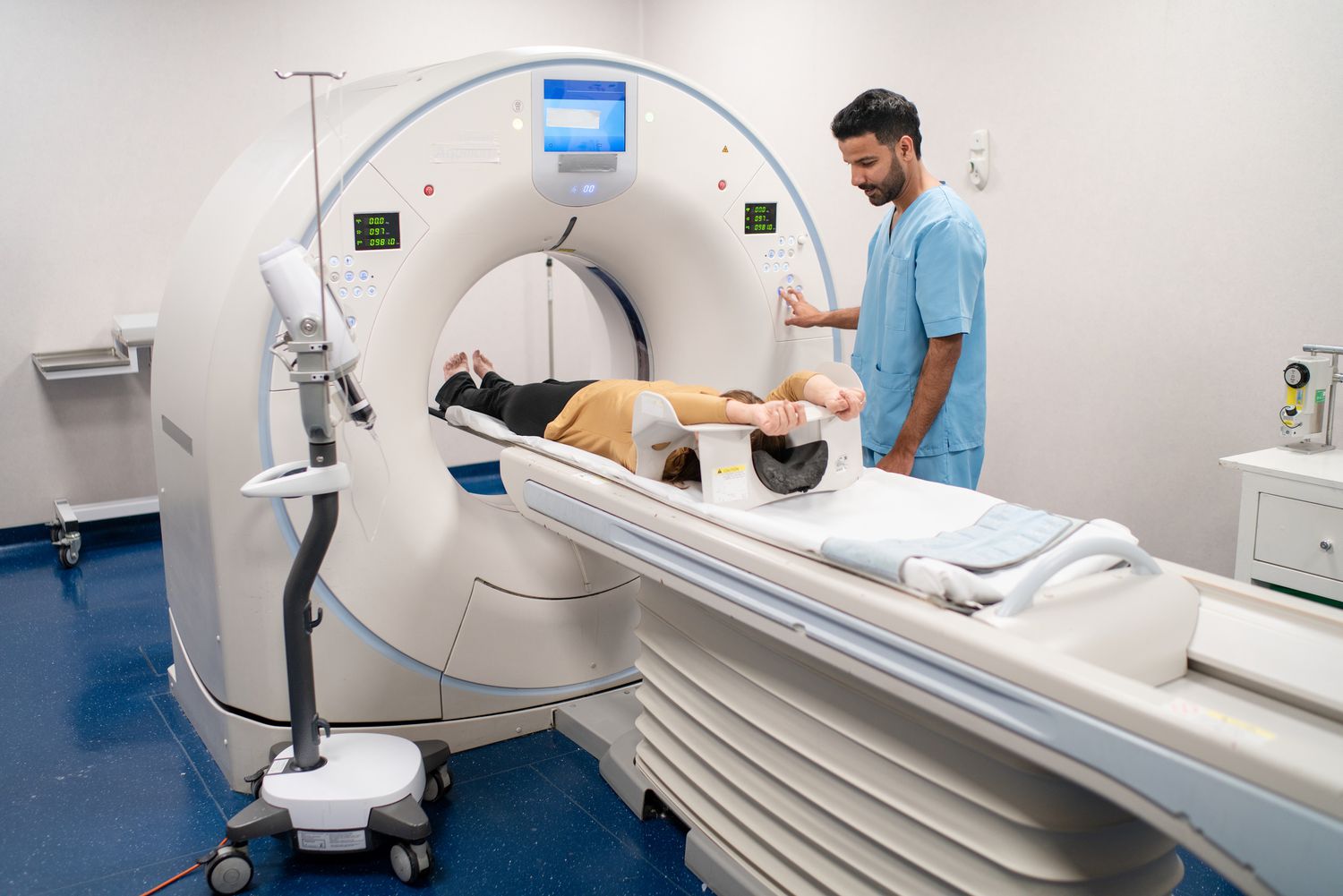
Telix’s theranostic clinical trials are progressing cancer therapeutics and diagnostics that harness the power of targeted radiation for the benefit of patients.
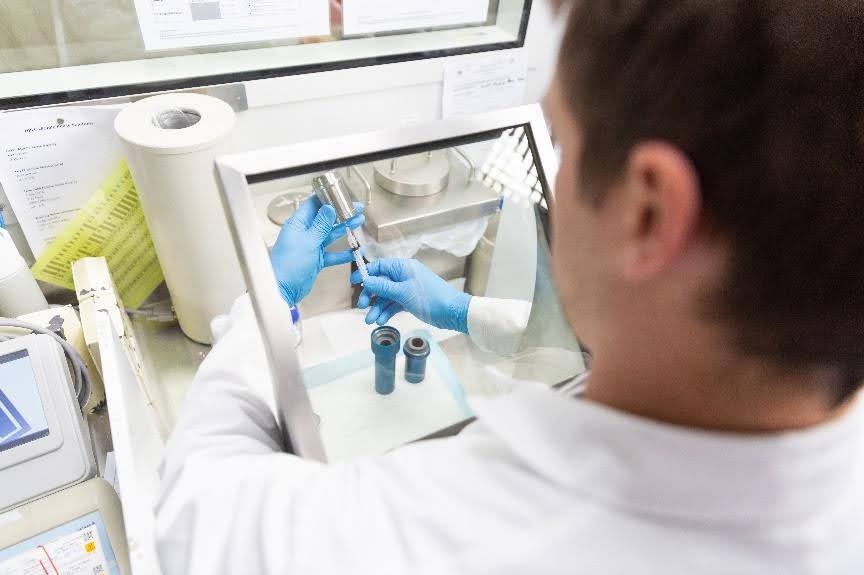
What is a clinical trial?
A clinical trial is a research study designed to evaluate the safety and effectiveness of new treatments, in humans. Telix’s trials are an essential step in bringing our treatments to patients by providing data on their effectiveness.
The journey to develop a new treatment is a long one and often involves multiple trials over extended periods. Throughout these trials, Telix remains committed to the highest standards of scientific rigor, ethical conduct, and patient care.
Ultimately, our goal is to deliver innovative, targeted therapies that make a meaningful difference in patients’ lives.
Clinical Trials FAQs
-
Clinical trials help researchers determine whether a new treatment is safe, effective, and better than existing treatments. They are crucial in developing new treatments for diseases and improving patient outcomes by giving doctors and patients more options for care.
-
Clinical trials follow a carefully designed protocol that outlines every aspect of the study. This protocol ensures that all participants are treated safely and that the results are accurate and reliable. Trials typically involve several phases, from initial safety testing in small groups, to large-scale testing for effectiveness and long-term safety.
-
Every clinical trial has specific eligibility criteria, such as age, medical history, and current health status, to ensure that the study is conducted safely and effectively. These criteria vary depending on the study’s goals. Some trials may need participants with a particular disease, while others may seek healthy volunteers.
-
Clinical trials are typically conducted in four phases:
- Phase 1: Tests a new drug in a small group for safety and dosage.
- Phase 2: Expands to more participants to assess efficacy and side effects.
- Phase 3: Involves larger groups to confirm effectiveness, monitor side effects, and compare with standard treatments.
- Phase 4: Conducted after a drug is approved, these trials gather further safety information in broader patient populations.
-
Patient safety is the highest priority in any clinical trial. Each study must be approved by an ethics committee or an Institutional Review Board (IRB) and is monitored to ensure adherence to safety protocols. Participants are informed of potential risks before they agree to join a trial.
-
Any decisions related to clinical trials should be discussed with your doctor, who may know of studies relevant to your condition. To see if one of Telix’s clinical trials is right for you, you can start by using the trial screener. Additionally, online registries like ClinicalTrials.gov provide searchable databases of trials worldwide. When reviewing options, consider eligibility criteria, the trial’s location, and the potential benefits and risks. Research centers, patient advocacy groups, and medical institutions also frequently offer information on available trials for specific health conditions.
-
When a clinical trial concludes, the results are analyzed to understand the treatment’s effectiveness and safety. If the results are positive, the treatment may move forward for regulatory approval for broader access to patients. Participants are often provided with summaries of the findings, and final results may be published in medical journals.